Art&Graft's love letter to the creative process
Art&Graft's most ambitious short film yet: a two-year, director-free exploration of creativity, collaboration, and the pursuit of something magical.
Some ideas take years to become what they were always meant to be.
For London-based studio Art&Graft, In Pursuit of Magic took just over two of them, but its origins reach back even further, to a piece of graffiti on a New York City sidewalk in 2013.
Inspiration underfoot
"I still have the photo I took that day," says Art&Graft founder and Executive Creative Director Mike Moloney.
He'd been walking between meetings in the early days of the studio, alone in a city while the rest of his team was back in London, when the words appeared beneath his feet: In Pursuit of Magic.
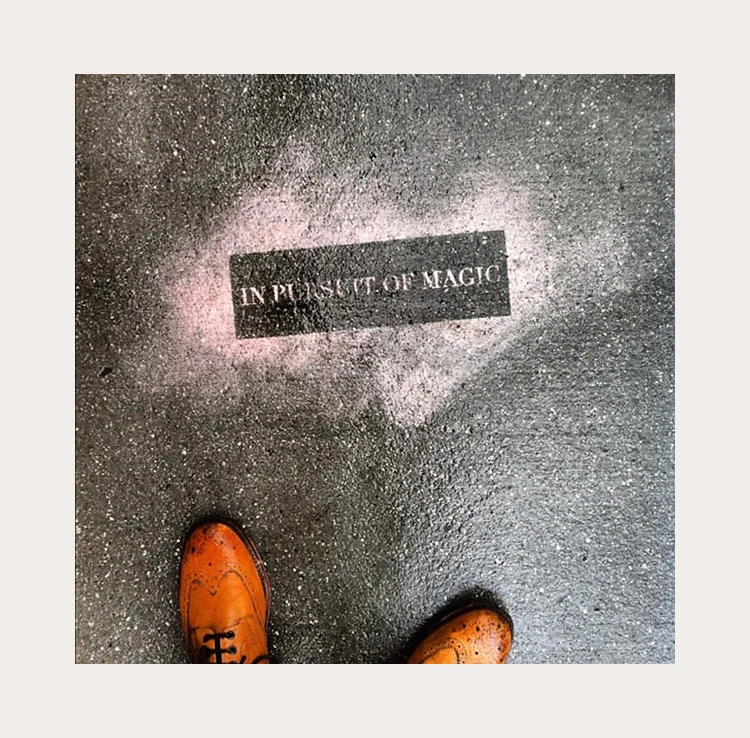
Those words stuck.
More than a decade later, they became the title, the theme, and the animating spirit (no pun intended) of the studio's most ambitious self-initiated film to date. Starting today, it's streaming exclusively on FrameRate for one week.
Five characters, one journey
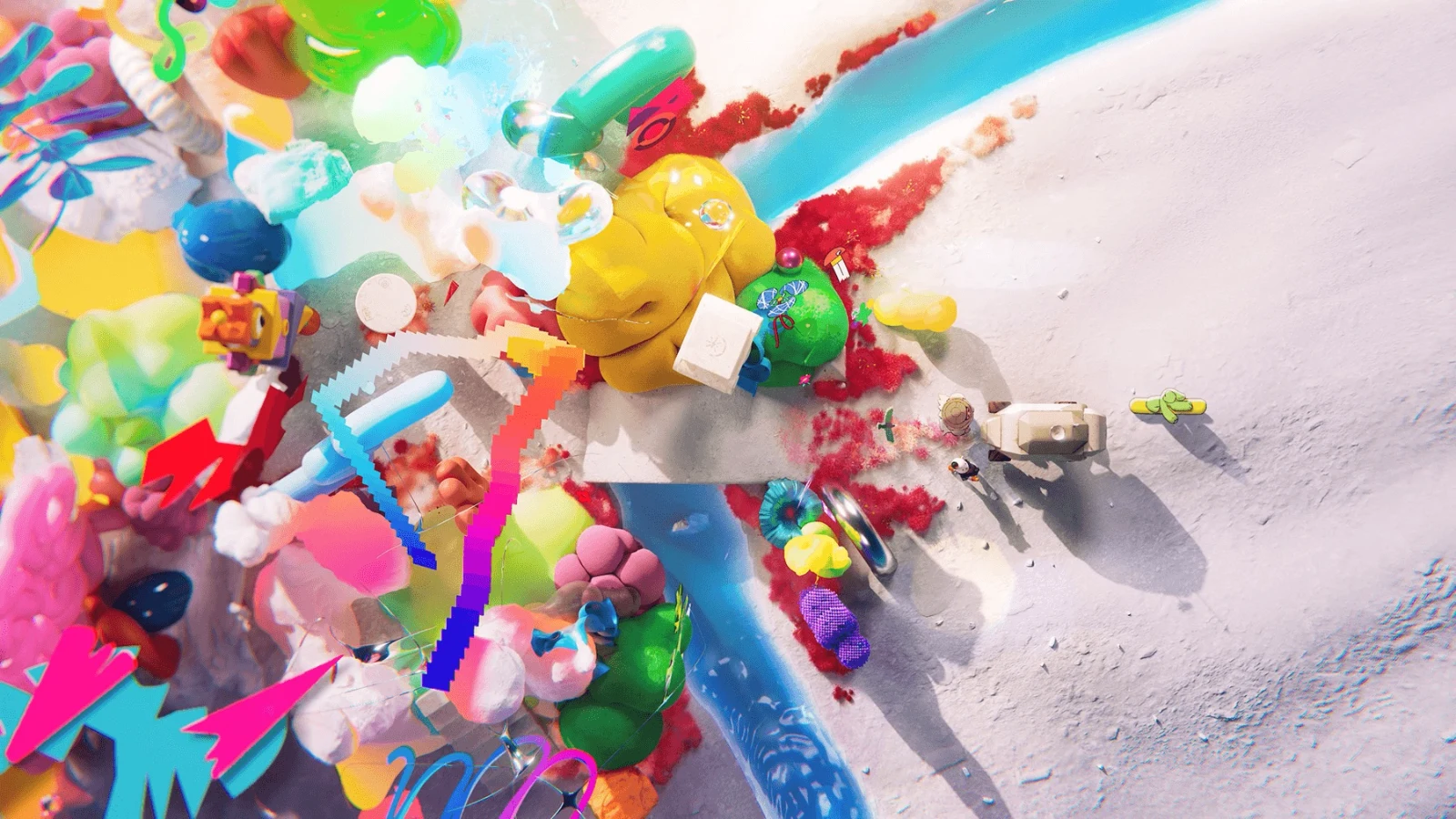
The film follows a cast of five characters across a richly imagined world. They move through landscapes that shift in texture and technique, chasing a feeling that's hard to name but immediately recognizable to anyone who has ever been deep inside a creative project.
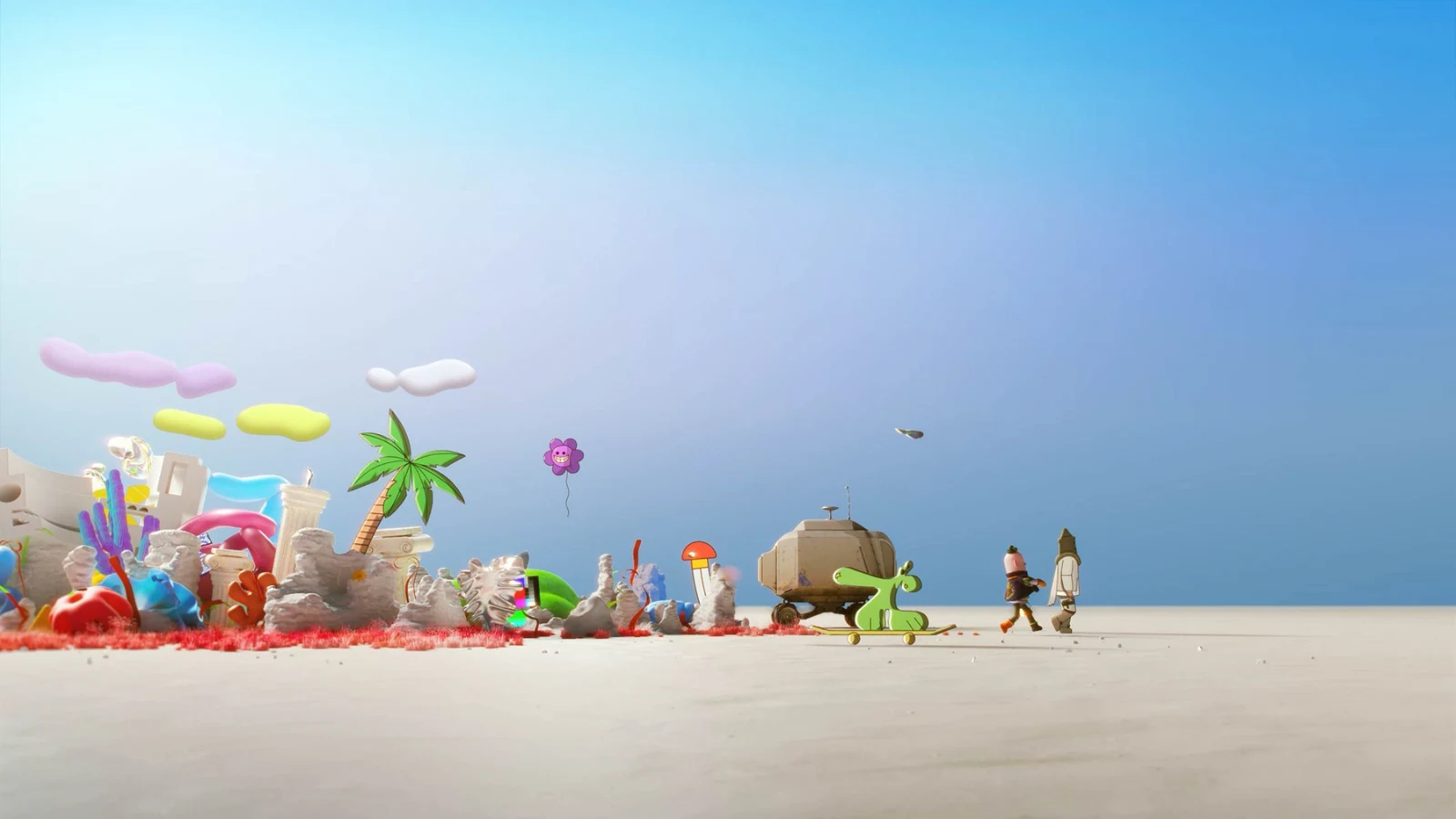
That feeling, and the journey toward it, is exactly what the film is about.
Not creativity as a triumphant state, but as a process full of trepidation, self-doubt, breakthroughs, and the particular satisfaction of carrying something difficult all the way through.
In Pursuit of Magic is an expression of the creative call that drives us forward. A call to move, explore and discover. To the strength of the team and co-creation.
A film without a director
What makes In Pursuit of Magic remarkable isn't just what it depicts, but how it was made.
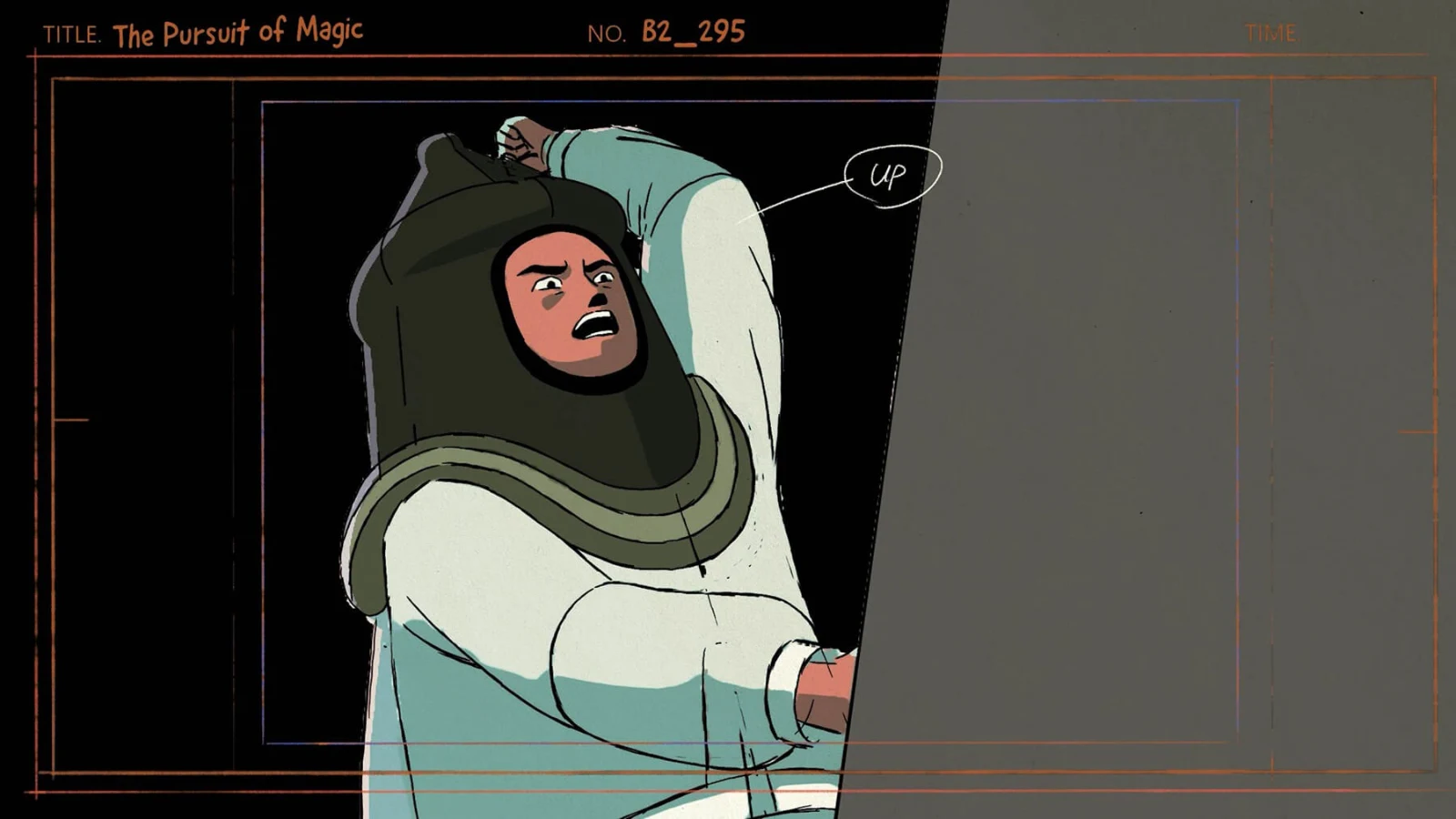
The studio committed to building the film without a single director calling every shot. Instead, the whole team contributed, bringing their own experiences of the creative journey into the work.
That can be a risky approach.
Collaborative filmmaking without a clear center of authority can collapse under the weight of competing visions. Here, though, it becomes a structural argument for the film's own thesis: that the collective outcome can exceed the sum of its parts.

"The compounding effect of that is infectious," Moloney says of watching the team push one another. "The blending of talents, the blurring of disciplines, the grit and drive to keep polishing until the work is done."
Technique as character
The blurring of disciplines shows up directly in the animation.
The film opens in what feels like classic 2D territory before gradually introducing 3D via The Wagon. From there, additional techniques and styles are folded in like magical ingredients in a transcendental casserole.
The variety of techniques employed isn't decorative, it's symbolic. Each character is animated in a style that reflects a different creative pathway within the studio: 2D and 3D character animation, narrative storytelling, motion graphics, illustration, branding design and everything in between.
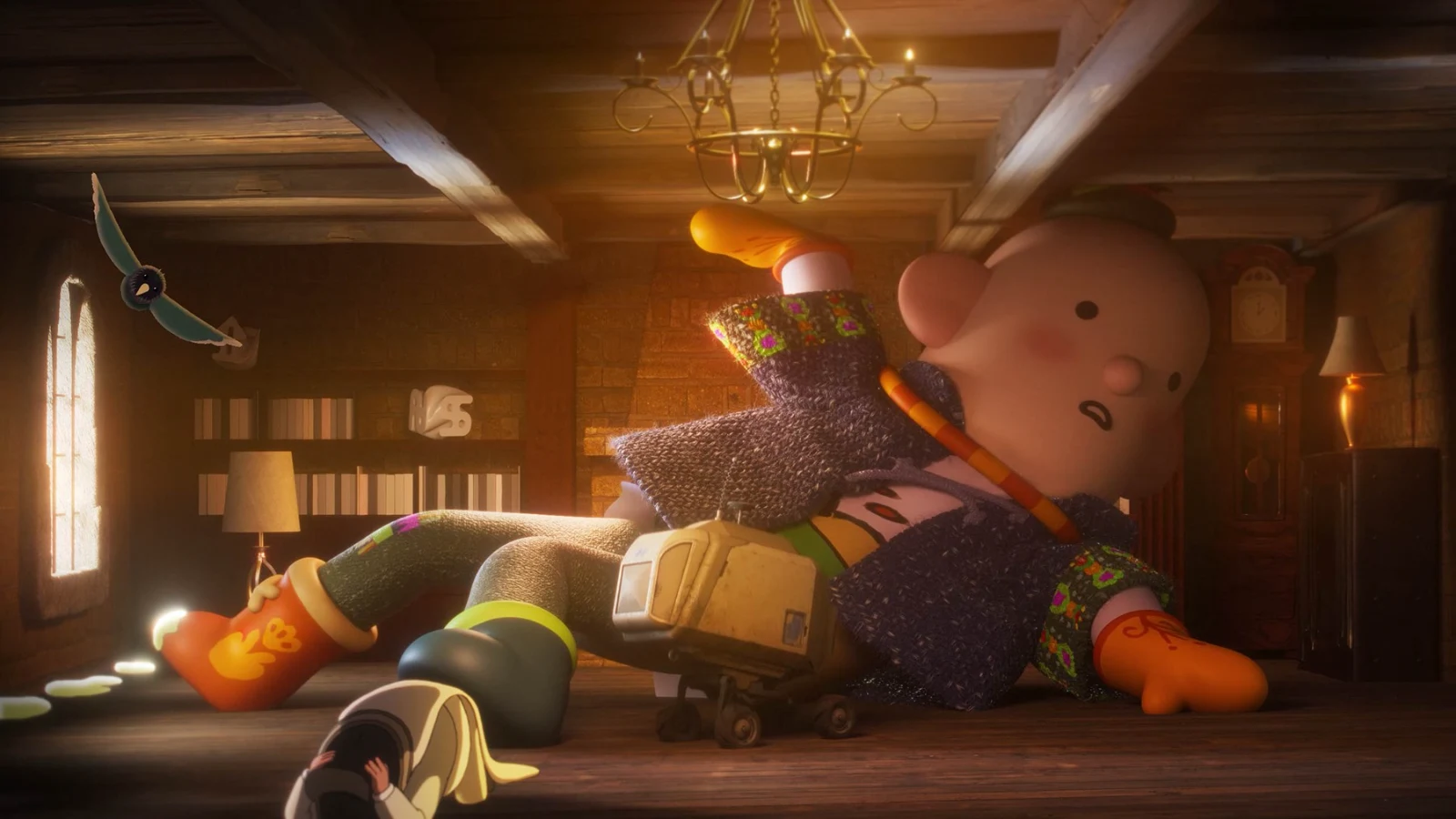
By the final act, the film pushes into full mixed-media abstraction, what the team calls "the nirvana," and it earns every frame of it.
The sound of the call
Carrying all of this across the two-plus-year production was the work of Zelig Sound, who composed and designed the film's score.
The absence of dialogue or voiceover puts enormous weight on the music, and it holds.
Particularly striking is what the team calls "the call," a recurring vocal motif that draws the characters forward. It went through multiple iterations before landing on something Moloney describes as "mysterious, familiar and human."
Keeping the fire alive
Sustaining momentum across a project this long, while running a full commercial studio, required exactly what the film preaches: belief, collective energy, and the willingness to pick each other up when one person's drive dipped low.
"As a team effort," Moloney notes, "it was important that everyone involved helped carry that enthusiasm at different points on the journey."
The result is a film that works as both a stunning piece of work and a genuine act of self-reflection.
What do do next...
Dive deeper into the project on Art&Graft's site, where you'll find heaps of behind-the-scenes goodies and development art.
Follow Art&Graft on FrameRate.